


Comic Book Value Scanner
4.564.00 Reviews
App Specs
- Version
- 1.3
- Updated On
- License
- Free
- Downloads
- 50,000+
- Developer
- Identifier Studio
- Categories
- Comics
- Platform
- Android
Screenshots
 Analysis by AppCompare
I like the idea behind Comic Book Value Scanner: point a phone at a comic and get a quick starting point for identifying it and thinking about its value. That can be genuinely useful when a box of old issues turns up, or when I’m sorting a collection and don’t recognize every cover. The important distinction is that a scanner can help me research a comic, but it can’t replace a careful condition check or a reliable sale comparison. I’d treat any result as a lead to investigate, not as a guaranteed offer.
A quick reference, not an appraisal desk
Comic Book Value Scanner is a free comics app from Identifier Studio. It has a 4.7 average from nearly a thousand ratings, and it has passed ten thousand installs. Those figures suggest that collectors are finding a reason to try it, but they don’t tell me whether a particular identification or estimate will fit my copy. The app is rated for Everyone, which makes its basic audience broad; in practice, its appeal is clearest for comic readers and collectors who want a convenient way to begin looking up issues.
Its current version is 1.1, and the app was released on May 6, 2025. That gives the product a relatively early public history, so I’d approach it as a developing tool rather than an established catalog whose every edge case has been tested over years. The release and version facts tell me where the product stands today; they don’t prove that a particular feature has recently changed or promise what will arrive next. For someone already using it, the sensible approach is to judge it by the results it returns for the comics in hand and keep independent records for anything important.
Getting Started with Serious Scanning
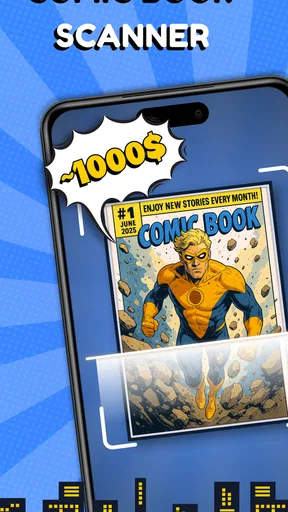
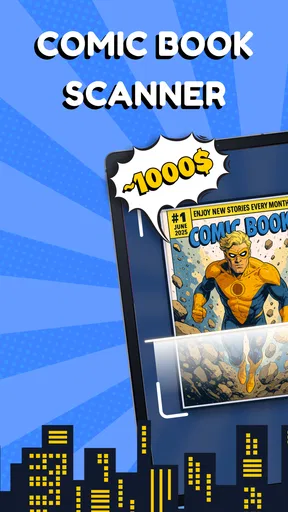
The first thing I noticed about the Comic Book Value Scanner is how user-friendly it is. You don’t need to be a tech wizard to get it up and running. Once you download and open the app, it’s pretty much just point and shoot. The app uses your phone’s camera to scan the barcode of your comic book. No barcode? No problem. You can manually search titles too.
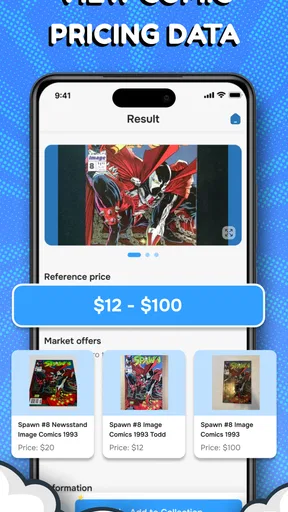
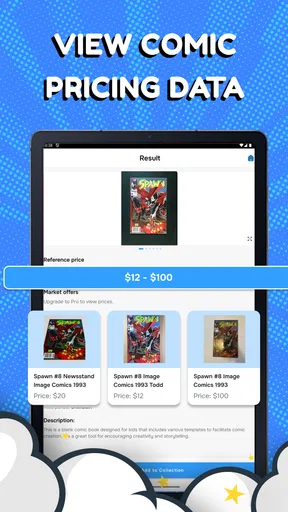
What’s super cool is how fast it pulls up information. Within seconds, you’re looking at a trove of data about your comic, including its current market value. It’s like having a mini Antiques Roadshow episode right in your living room. The app also provides a historical price chart, so you can see how the comic’s value has changed over time. This feature is a goldmine for collectors trying to decide when to sell or hold onto their treasures.
Using scan results without overtrusting them
For a barcode scan, I’d start with a clean, flat view of the code and make sure the phone isn’t casting a hard shadow across it. If a search result looks plausible but the cover or issue details don’t match, I wouldn’t save it as the right comic just because the title is close. Older, unusual, or poorly preserved books are exactly where a quick identification can be useful as a prompt but not enough to settle the question. Searching by title gives me another route when there’s no barcode, though it still calls for checking the edition and issue carefully.
That matters because the number on a screen is not automatically the amount a buyer will pay for my copy. Condition, edition, completeness, and the difference between an asking price and an actual sale can change the picture substantially. I’d use the historical chart to notice broad movement and frame better questions, not to time a sale with false precision. Before making a costly trade or listing a valuable issue, I’d compare it with relevant completed sales and, if needed, ask a knowledgeable dealer to inspect the physical comic.
Worth Reading Before You Choose

Flipboard Shows What News Apps Must Do Beyond the Feed

Switching to Android Auto Means Rethinking Your Driving Routine

Google Calendar Makes a Crowded Week Easier to Manage

Ludo King Makes the Most of the Minutes Between Plans

Baby Panda World Brings Quick Play to Modern Phones, but Its Game Library Feels Busy

ESPN’s Live Game View Makes Following Close Games Easier
Turning a scan into a useful collection routine
A practical way to use a scanner is to work in small batches instead of photographing an entire long box in one sitting. I’d scan a handful, verify each match against the cover, then note the condition and any details that distinguish one printing from another. That little pause reduces the risk of building a neat-looking inventory around a wrong identification. It also makes a later price check more meaningful because I can connect the result to the actual copy rather than just a title.
For an everyday example, imagine I’m clearing a shelf before a move and find several comics tucked behind newer books. I can use the camera to identify barcoded issues, search titles for the rest, and use the results to decide which ones deserve a closer condition check. The app is most helpful at that triage stage: it can turn an unknown stack into a shortlist for further research. I wouldn’t use a quick scan alone to decide what to insure, sell, or give away, especially if an issue appears unusually valuable.
Where it fits among comic-collecting tools
Compared with a general web search, a purpose-built comic scanner offers a more direct starting workflow: identify first, then investigate the issue and its value. A spreadsheet or collection database can be better for a collector who wants a carefully controlled inventory, custom fields, and long-term records. Marketplace searches are useful for checking what buyers are asking or paying, but they take more work and can mix different conditions and editions. I see the scanner as a convenient bridge between those approaches, not a replacement for all of them.
The trade-off is that convenience can make an estimate feel more authoritative than it is. I’d keep my own notes for high-value books and use the app’s result as one reference point among several. If I only need an occasional price check, a manual search or a visit to a local comic shop may be enough. If I’m cataloging a large collection for insurance or resale, I’d want a workflow that lets me verify every entry and preserve detailed condition notes rather than relying on scans alone.
What to expect from the current release
Because version 1.1 is still an early point in the app’s life, I’d pay attention to whether the catalog recognizes the kinds of comics I actually own and whether the information remains useful when I check it again later. That is a more practical test than assuming that a new version number means a specific improvement. Existing users can keep using their current routine while checking individual results against their own knowledge; newcomers can try a few representative books before investing time in a full collection workflow.
The app is free to install, with in-app purchases ranging from $4.99 to $39.99 per item. I’d explore the free experience first and decide whether it answers my regular questions before considering any purchase. A one-off lookup and a sustained collecting habit are different needs, so I’d weigh any optional spend against how often I scan and whether the information helps me make better decisions. That keeps the tool in perspective instead of paying for more than I’ll use.
Detailed Comic Insights
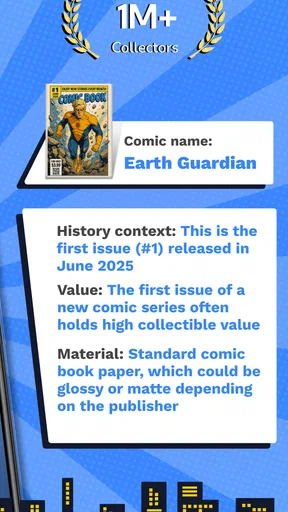
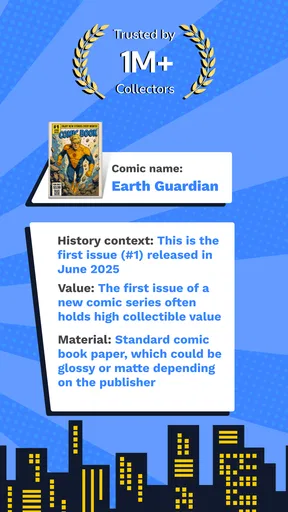
Now, let’s talk about the details. The app doesn’t just stop at pricing. It gives you a comprehensive overview of the comic’s background, including the publisher, release date, and even the creative team behind it. This is perfect for those of us who love to dive deep into the history behind each comic book. It’s not just about the value; it’s about the story behind the story.
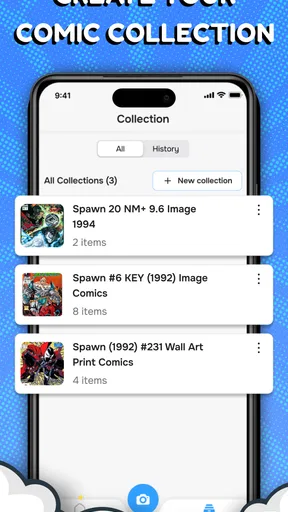
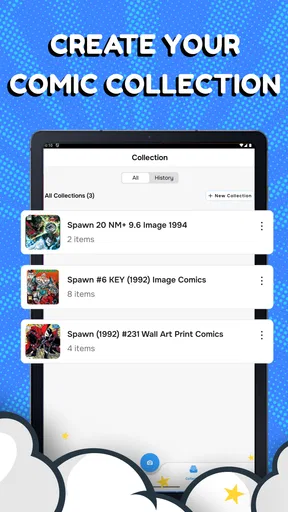
The app also comes with a nifty feature that lets you track your entire collection. You can create a virtual library, which is a fantastic way to keep things organized. If you’re anything like me, you’ve got piles of comics and sometimes forget what you have. This app ensures you never double-buy again, saving you time and money.
Keeping the catalog useful over time
A digital library is only as trustworthy as the entries I put into it. I’d make a habit of checking the issue information before adding a book, particularly when two covers look similar or a collection includes variants. If I lend or sell a comic, I’d also update my own record promptly so the library doesn’t become a record of what I once owned rather than what I have now. These small habits matter more than rushing through a stack of scans.
I’d also separate identification from condition assessment in my notes. A title and issue number tell me what the comic is; they don’t describe whether the copy has creases, writing, missing pages, or other flaws that affect its appeal. If the app’s library is the place I use to remember what I own, a brief personal note about condition can prevent a later misunderstanding when I revisit a value estimate. For a beginner, this is a useful way to turn casual scanning into a more dependable collecting routine.
Community and Connectivity
One of the unexpected delights of this app is its community feature. You can connect with other comic book enthusiasts directly through the app. It’s a fantastic way to share insights, trade comics, or just geek out over your favorite issues. The app also offers forums where users can discuss market trends, new releases, and even sneak peeks at upcoming comics.
Also, there are links to online marketplaces where you can buy or sell your comics. This integration means you can instantly act on the insights you gain from the app. Found out your comic is worth more than you thought? You’re just a few taps away from listing it for sale.
Choosing when to move from research to a sale
I’d still pause before acting on a marketplace link. A scan can help me spot an issue worth researching, but a listing decision also depends on whether I’m prepared to photograph the actual copy, describe its condition honestly, and compare the likely sale amount with the effort involved. For a common book, keeping it may be simpler than spending time on a low-return sale. For a comic that appears more sought after, I’d verify the exact edition and condition first rather than letting a single estimate set my asking price.
Community discussion can add context, especially when another collector recognizes a printing or points out a detail I missed. I’d treat opinions there as useful conversation, not a substitute for checking the book itself or confirming a transaction’s terms. That balance lets the social side make research more enjoyable without confusing enthusiasm with a formal valuation.
Final Thoughts
Overall, using the Comic Book Value Scanner has been like having a personal comic book appraiser at my fingertips. Whether you’re a seasoned collector or just starting, this app offers a wealth of features that can help you get the most out of your collection. It’s simple to use, packed with valuable information, and connects you with a vibrant community of fellow collectors.
So, if you’re looking to dive deep into the world of comic book collecting or just want to know the value of that ancient issue you found in the attic, give this app a try. You might just discover a hidden gem in your collection or connect with fellow fans who share your passion. Happy scanning!
Who I’d recommend it to
I’d recommend trying it if you regularly come across unfamiliar comics, want a quick way to organize a modest collection, or enjoy having identification and price research close together. It can be especially handy for a newer collector who needs a starting point before learning the differences among issues and editions. The free entry point makes it easy to test with books you already know, which is a good way to judge whether its matches and estimates suit your collection.
I’d skip it as my only source if I needed a formal appraisal, a carefully documented insurance inventory, or a guaranteed selling price. It may also be more app than I need if I own only a few comics and rarely look up values; a trusted shop or a focused search could be quicker. For everyone else, my advice is simple: use it to narrow the research, verify the comic in your hands, and make the final call with condition and real-world comparisons in view.
Pros
- User-friendly interface for quick navigation.
- Comprehensive database of comic values.
- Barcode scanning for easy input.
- Regular updates ensure accuracy.
- Offline mode for on-the-go access.
Cons
- Limited free features before upgrade.
- Ads may disrupt user experience.
- Occasional scanning errors.
- Requires internet for some features.
- Subscription cost may be high.
FAQs for Comic Book Value Scanner
What is the Comic Book Value Scanner app used for?
The Comic Book Value Scanner app is designed to help comic book enthusiasts and collectors determine the current market value of their comic books. It scans the comic's barcode or cover and provides an estimated value based on recent sales data. This helps users make informed buying, selling, or trading decisions.
How does the Comic Book Value Scanner determine the value of a comic?
The app uses a combination of barcode scanning, cover recognition, and a comprehensive database of recent sales to estimate the comic's value. It analyzes data from various sources, including auction results and online marketplaces, to provide a current market valuation. This ensures accuracy and reliability for collectors.
Is the Comic Book Value Scanner app available for both Android and iOS?
Yes, the Comic Book Value Scanner app is available for download on both Android and iOS platforms. Users can easily find the app on the Google Play Store and the Apple App Store, ensuring accessibility to a wide audience of comic book collectors and enthusiasts.
Does the app require an internet connection to function?
Yes, the Comic Book Value Scanner app requires an internet connection to access its extensive database and provide up-to-date market values. While some basic features may work offline, the core functionality of scanning and retrieving current values necessitates an active internet connection.
Are there any subscription fees or in-app purchases?
The Comic Book Value Scanner app offers a variety of pricing models. While the basic version may be free, advanced features such as detailed market analysis, historical data, and ad-free experience might require a subscription or one-time in-app purchases. Users should check the app store for detailed pricing information.


